📍 Houston, TX info@draincleaninghouston.us 🕒 Open 24/7 for Emergencies
Sink Flow Restoration

Kitchen Drain Cleaning Services

Your kitchen sink is the workhorse of your home. It handles a daily volume of water, dish soaps, food particles, and fats. Even if you are careful, cooking oils and grease find their way down the drain. As these liquids cool inside your pipes, they solidify and stick to the pipe walls, creating a sticky grease layer that traps food waste, eventually leading to a complete sink backup.

Houston Drain Pros offers fast, clean kitchen drain clearing. We clean sink traps and branch line pipes using specialized mechanical snakes and scouring tools, completely removing grease deposits and restoring your kitchen sink's drainage flow.

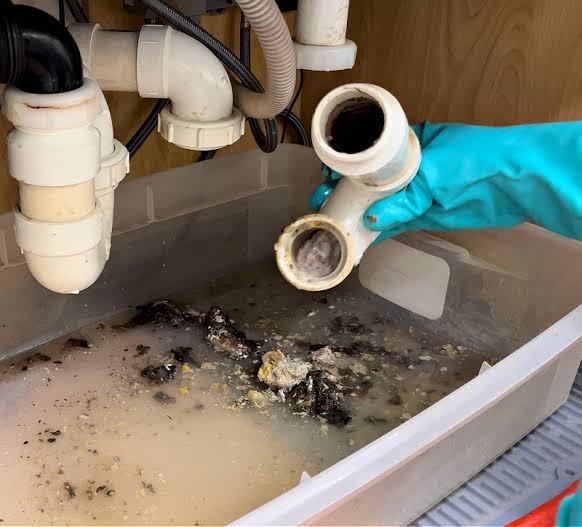
Professional plumber repairing and cleaning pipes under a kitchen sink
Licensed drain tech ready with tools to clear a backed up kitchen sink
Symptom Checklist

Signs Your Kitchen Drain is Blocked

Kitchen drain blockages develop slowly over time. Watch for these symptoms before your sink overflows:

  • Slow-Draining Sink: Water pools in the sink basin and takes several minutes to empty, or remains standing.
  • Garbage Disposal Backup: When you run the disposal, water or mashed food waste pushes back up into the opposite sink bowl.
  • Foul Odors: Decaying food trapped in grease layers releases a sour, rotting smell from the drain opening.
  • Gurgling in Pipes: A draining sink makes a deep gurgling noise as water struggles to squeeze past grease blocks.
Call Emergency Dispatch — (380) 257-0633
How We Work

Our Kitchen Drain Cleaning Method

We follow a clean, structured process to remove grease and food clogs from kitchen lines.

01

Trap Disassembly

We place protections under the sink and disassemble the P-trap manually to clean out accumulated food waste and debris.

02

Disposal Check

We inspect the garbage disposal connection port to ensure no hard debris is jamming the internal grinding plate or block ring.

03

Sink Cable Run

We run a specialized sink auger with scraper blades down the wall pipe to cut through grease layers and push blockages out.

04

Sanitizing Flush

We reassemble the plumbing, run high-volume hot water to flush away remaining soap and oil, and sanitize the workspace.

Plumbing Education

Why Grease is the Enemy of Kitchen Drains

In residential plumbing, FOG (Fats, Oils, and Grease) is responsible for over 70% of kitchen branch line blockages. This includes butter, cooking oil, bacon grease, mayonnaise, and food scraps from meats.

When warm fats are poured down the drain, they look like liquid and flow easily. But as soon as they hit the cold underground piping, they solidify. This solid grease attaches to the interior walls of the pipe, creating a sticky, rough layer. As you run your garbage disposal, tiny food particles get caught in this grease, slowly building a thick, solid plug. Because grease clogs are soft and elastic, chemical drain cleaners usually just burn a small hole through the center, which closes back up within days. Mechanical snaking physically scrapes and clears the grease from the pipe walls, providing a long-term solution.

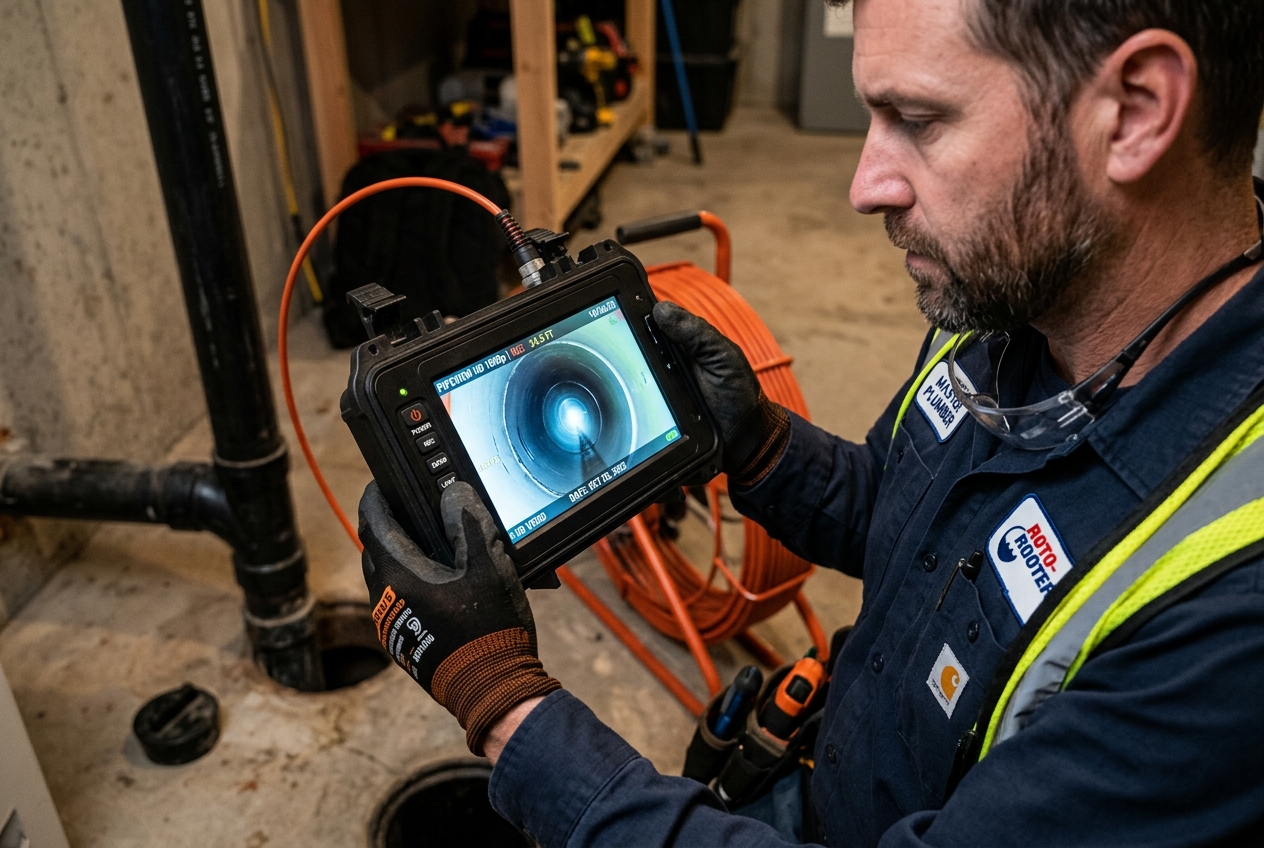
Video inspection of kitchen sink drain line showing severe grease restriction
FAQ

Kitchen Drain FAQs

Get answers to common questions about kitchen sink and disposal clogs.

Your dishwasher drains directly into your kitchen sink's P-trap or garbage disposal. If there is a clog inside the P-trap or in the wall pipe behind the sink, the wastewater pumped out by the dishwasher cannot drain. It will back up and fill the lowest open points, which are your sink basins. Clearing the trap and wall line resolves this.

No. Soap and hot water will only carry the grease a few feet further down the line before the water cools down. Once the water cools, the grease will solidify in your main lateral line or sewer pipes. Always wipe greasy pans with a paper towel or pour grease into a container to throw in the trash.

A humming disposal means the motor is receiving power, but the internal blades are jammed by a foreign object (like a coin, seed, or bone). Do not run the disposal while it is jammed, as this will burn out the motor. Turn off the power, use an Allen wrench in the bottom center of the unit to manually free the blades, and clear any debris.

Avoid putting fibrous foods (celery, onion skins, corn husks), starchy foods (pasta, rice, potato peels which swell and form paste), coffee grounds, eggshells, and grease down the disposal. These items are highly prone to wrapping around disposal blades or settling in the trap to cause solid clogs.

📞 Call Now — (380) 257-0633