📍 Houston, TX info@draincleaninghouston.us 🕒 Open 24/7 for Emergencies
Sewer Joint Restoration

Tree Root Intrusion & Sewer Line Removal

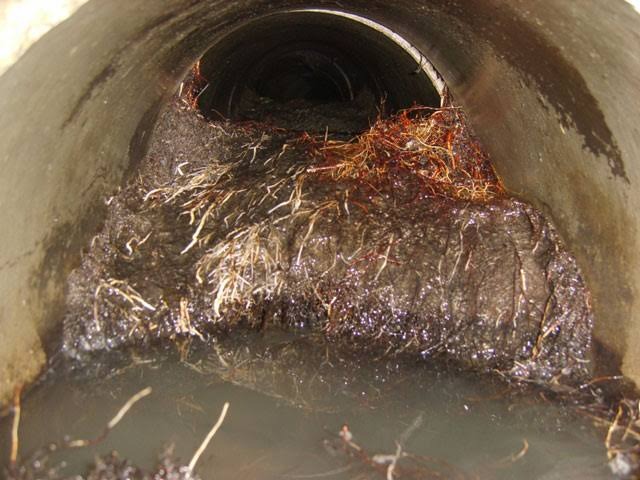
If you have mature trees near your home, their roots are constantly searching for moisture. Tiny hair-like root endings find their way into the joints and micro-cracks of your main sewer line. Once inside, they feed on the organic waste, growing into thick, fibrous root bundles that block waste flow and catch toilet paper, leading to complete sewer backups.

Houston Drain Pros specializes in non-invasive tree root clearing. We use heavy mechanical cutters and high-pressure water jetting to slice roots clean out of the pipe walls, restoring full flow capacity without digging up your lawn.

Tree roots growing inside a residential clay sewer line joint
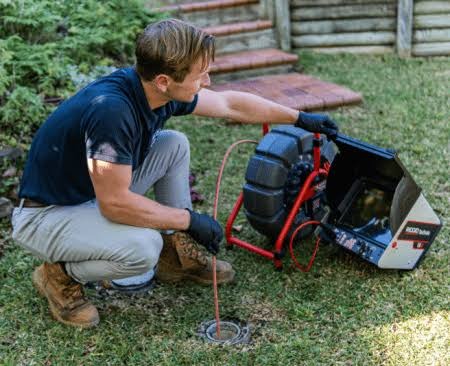
Running a camera diagnostic to locate root blocks in main sewer line
Common Symptoms

Signs Tree Roots are Blocking Your Main Sewer Line

Because tree root clogs occur deep underground in the main sewer pipe, you won't see them directly. Look out for these signs in your home:

  • Multiple Slow Drains: If your sinks, showers, and tubs are all draining slowly at the same time, the blockage is in the main line.
  • Gurgling Toilets: Air trapped behind a root blockage will bubble back up, causing your toilet bowls to make distinct gurgling or bubbling sounds.
  • Sewage Backing Up into Tubs: Water used in your washing machine or kitchen sink has nowhere to go and backs up into the lowest drains in your home (usually the shower or bathtub).
  • Frequent, Recurring Clogs: If you snake a line and the drain clogs again within a few weeks, roots are likely growing back inside the joint.
Get Emergency Dispatch — (380) 257-0633
Our Method

How We Clear Tree Roots Safely

We follow a strict professional process to clean root blockages and inspect pipe integrity.

01

Video Inspection

We run a waterproof video camera down the line to locate the exact joint where roots have entered and assess pipe health.

02

Mechanical Cutting

We insert a heavy-duty sewer machine with expandable steel blades that spin rapidly, cutting roots close to the pipe wall.

03

Hydro Jetting Flush

We use high-pressure water jets (up to 4,000 PSI) to flush out the severed root debris and scrub grease off the pipe walls.

04

Verification Run

We run the camera a final time to verify that 100% of the root mass is gone and that the joint is left clear and stable.

Regional Context

Texas Soil Shifts and Pipe Vulnerability

Across metropolitan Texas, clay soils undergo heavy expansion during wet seasons and severe contraction during dry hot summer months. This persistent shifting places intense stress on underground sewer connections.

In older clay, cast iron, or orangeburg pipe systems, these shifts cause joints to slip or crack slightly. Local trees like Live Oaks, Elms, and Pecans have vast underground root networks that quickly detect these joint offsets, exploiting the damp nutrient-rich sewage water inside. Once a single root tip enters, it expands rapidly, cracking the pipe further and creating a dense net that catches all waste paper. Mechanical clearing combined with regular inspections is essential to manage this risk.

Hydro jetting sewer lines to clear root blockages under high pressure
FAQ

Tree Root Sewer Removal FAQs

Here are answers to common questions about tree roots in sewer lines.

No. When operated by a trained technician, mechanical cutters and hydro jetting heads spin safely inside the pipe without damaging cast iron or PVC sewer lines. We inspect the line with a video camera first to verify the pipe is strong enough to support mechanical clearing.

Roots enter through slipped joints, rubber seal decay, or hairline cracks caused by soil shifting. Because sewer lines carry warm, moisture-rich water, tree roots are naturally drawn to them and will exploit the smallest gap to grow inside.

Yes. Cutting the roots removes the immediate clog, but because the pipe joint remains cracked or slipped, the roots will eventually grow back (usually within 12 to 24 months). We offer advice on chemical root foaming treatments or pipe lining to prevent future growth.

Chemical foaming root killers are excellent for maintenance, but they will not clear an active backup. If the line is already clogged, the chemical cannot flow through to kill the roots. The line must be cleared mechanically first before any preventative chemical treatments can be applied.

📞 Call Now — (380) 257-0633